
info@oceanuswave.com
sales@oceanuswave.com
Clinical Application of Oceanus ESWT Series Shockwave Therapy Devices
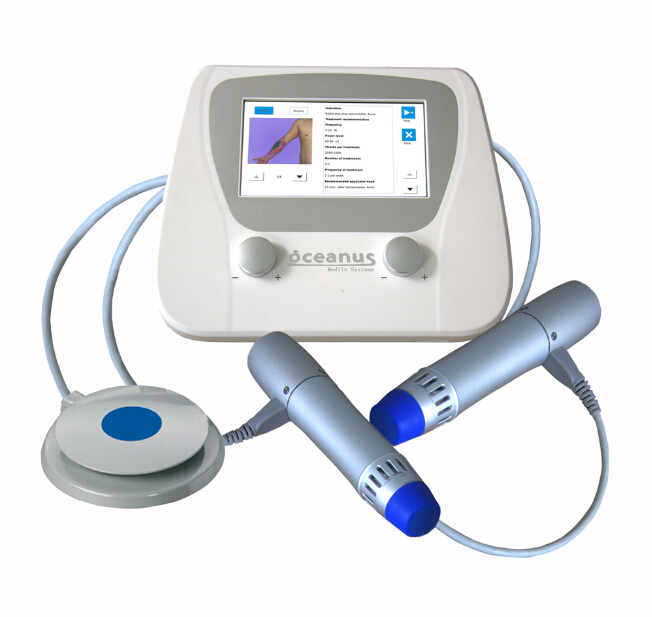
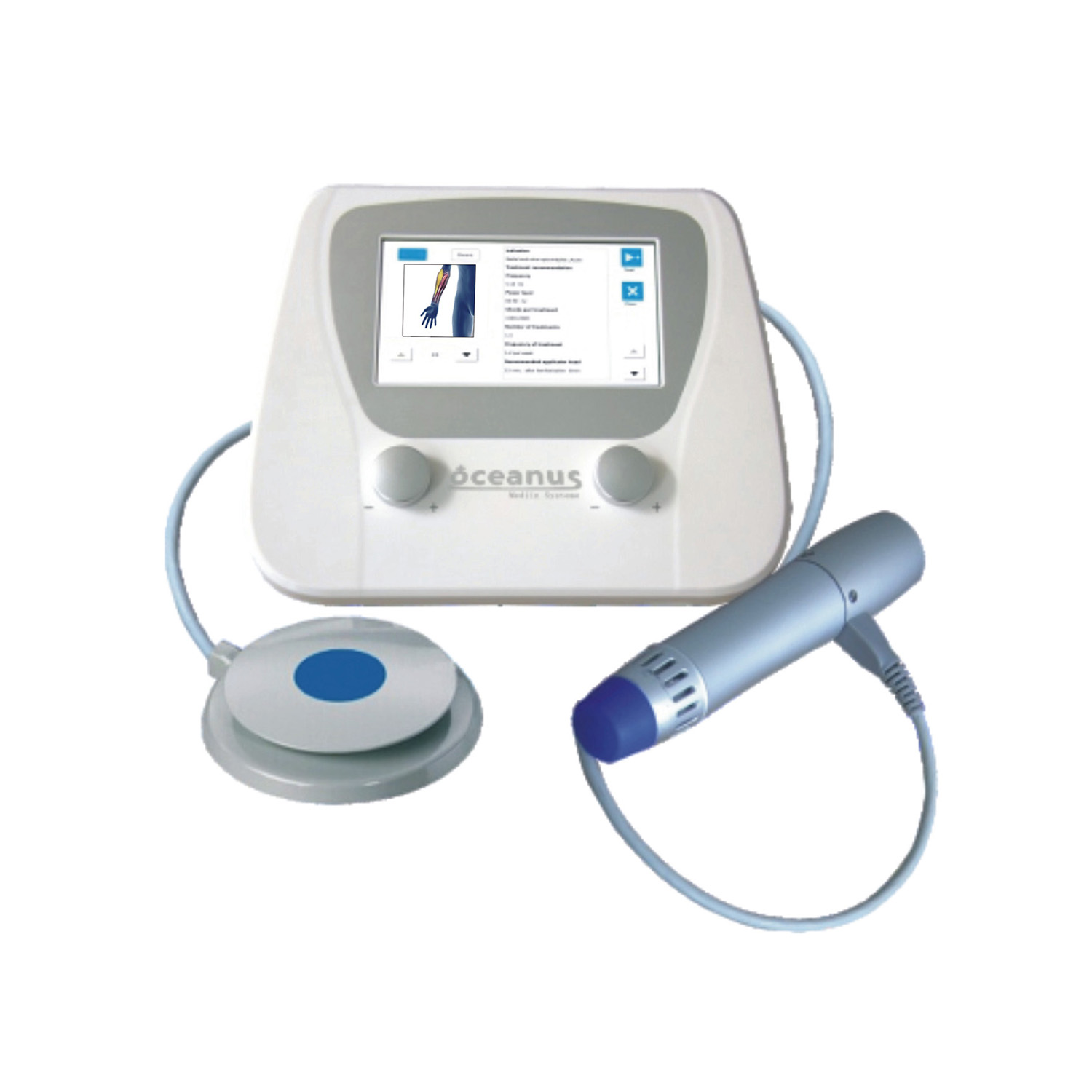
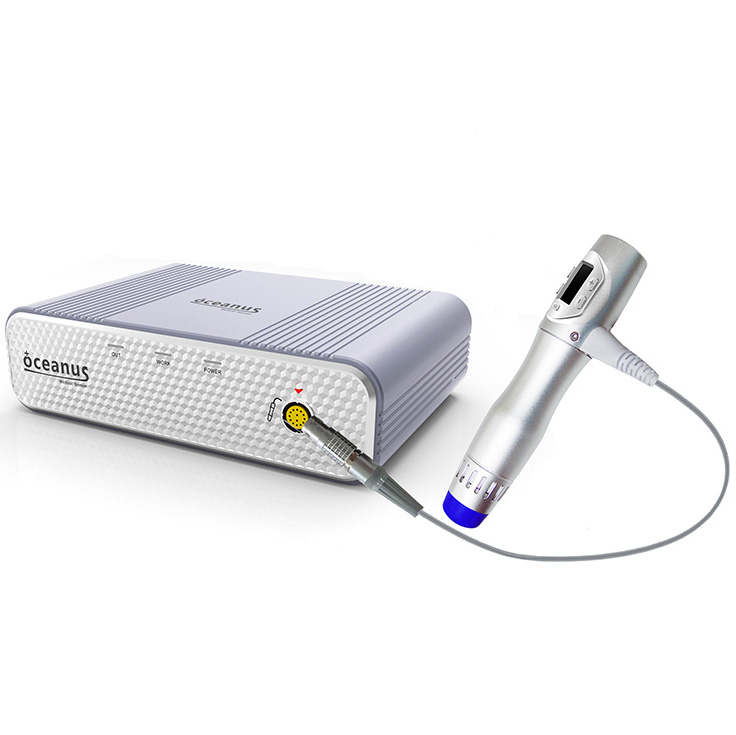
Overview
The Oceanus ESWT series consists of three models: ESWT-001 dual-channel desktop system, ESWT-002 single-channel desktop system, and ESWT-003 portable case system. All models adopt electromagnetic ballistic shockwave technology. Controlled mechanical pressure waves and cavitation effects trigger biological responses in target tissues to promote tissue repair and improve microcirculation. Different form factors cover diverse clinical scenarios, ranging from large rehabilitation centers and physiotherapy clinics to on-site medical and mobile rehabilitation services. The devices can be applied for musculoskeletal sports rehabilitation, aesthetic body contouring/fat reduction, and physical rehabilitation of vasculogenic erectile dysfunction.
ESWT-001 (Dual-channel Desktop): Equipped with two independent treatment handpieces. The dual channels support alternating therapy with separate adjustable parameters. It can perform alternating multi-site treatment for one patient, ideal for high-volume sports rehabilitation centers.
ESWT-002 (Single-channel Desktop): Single handpiece desktop unit with simple structure and intuitive operation. Designed for small and medium physiotherapy clinics and community rehabilitation departments.
ESWT-003 (Portable Case Type): Lightweight compact host, easy to transport. For on-site rehabilitation, team sideline medical support and mobile physiotherapy services.
Mechanism of Action
Electromagnetic ballistic shockwave delivers mechanical force and cavitation effects:
Musculoskeletal & Sports Rehabilitation: Shockwave stimulates injured tendons, fascia and ligaments, improves local blood circulation, promotes fibroblast activity and collagen remodeling, reduces chronic inflammation, relieves pain and accelerates healing of sports injuries.
Aesthetic Body Contouring & Fat Reduction: Cavitation effect breaks down adipocytes, facilitates fat metabolism, improves cellulite and tightens subcutaneous connective tissue for non-invasive body shaping.
Erectile Dysfunction Rehabilitation: Low-intensity shockwave stimulates cavernous tissue, promotes angiogenesis, improves endothelial function and cavernous blood perfusion for vasculogenic ED rehabilitation.
Indications
1. Musculoskeletal & Sports Rehabilitation (All Models)
Chronic tendinopathies including patellar tendinopathy (jumper’s knee), Achilles tendinopathy, lateral epicondylitis (tennis elbow), calcific rotator cuff tendinopathy; plantar fasciitis, myofascial pain syndrome; muscle strain, post-injury soft tissue scar adhesion; chronic skeletal muscle pain and post-training soft tissue recovery.
2. Aesthetic Body Contouring (Fat Reduction)
Local fat accumulation, cellulite, post-partum soft tissue laxity, for non-invasive subcutaneous fat metabolism and skin tightening.
3. Vasculogenic Erectile Dysfunction
Mild to moderate vasculogenic erectile dysfunction, physical rehabilitation for improvement of cavernous microcirculation.
Contraindications
Malignant tumor, active infection, broken skin or thrombophlebitis at treatment site
Treatment area over major blood vessels, nerve trunks, implanted metal prosthesis or pacemaker
Coagulation disorders, patients under anticoagulant medication
Pregnancy
Open epiphyseal plate in adolescents; shockwave application over growth plate is prohibited
Unconscious patients or patients unable to cooperate with treatment
For ED therapy: penile tumor, acute penile inflammation, severe penile deformity and severe cardiovascular disease
For aesthetic treatment: acute skin inflammation, autoimmune skin disease and severe metabolic disorders over target area
Clinical Advantages of Each Model
ESWT-001 Dual-Channel Desktop Shockwave Therapy Device
Two independent output channels. Each handpiece can adjust energy, pulse count and frequency separately, supporting alternating therapy. Multiple lesion sites of the same patient can be treated alternately without manual handpiece replacement, greatly improving clinical efficiency. Ideal for sports rehabilitation centers and large physiotherapy institutions treating athletes and patients with musculoskeletal pain.
ESWT-002 Single-Channel Desktop Shockwave Therapy Device
Single handpiece desktop design with simple UI and stable performance for easy maintenance. It delivers standard single-site shockwave therapy for routine musculoskeletal pain management. Small footprint, suitable for community rehabilitation and small private physiotherapy clinics.
ESWT-003 Portable Shockwave Therapy Device
Lightweight portable case design for easy transportation. It maintains standard shockwave output performance. Suitable for home visits, team sideline rehabilitation and mobile physiotherapy services. Not limited by fixed clinic space.
Operator Training Requirements
Operators shall complete dedicated device training, fully understand indications, contraindications, energy adjustment, handpiece selection, adverse reaction identification and emergency handling. Training covers safe operation, routine maintenance and patient assessment. All treatments must comply with the operation manual; off-label use is strictly forbidden.
References
[1] Liao, C. D., Tsauo, J. Y., Chen, H. C., & Liou, T. H. (2018). Efficacy of extracorporeal shock wave therapy for lower‐limb tendinopathy: a meta-analysis of randomized controlled trials. American Journal of Physical Medicine & Rehabilitation.
[2] Christ, C., Brenke, R., Sattler, G., et al. (2021). Extracorporeal shock wave therapy for cellulite treatment: A systematic review. Journal of Cosmetic Dermatology.
[3] Sokolakis, I., & Hatzichristodoulou, G. (2022). Low-intensity extracorporeal shock wave therapy for erectile dysfunction: an update on mechanism of action and clinical outcomes. Current Opinion in Urology.
[4] Rees, J. D., Wilson, A. M., & Wolman, R. L. (2009). Current concepts in the management of tendinopathy. British Journal of Sports Medicine.
[5] Van den Bekerom, M. P., Rhim, H. C., Singh, H., et al. (2025). Recommendations for use of extracorporeal shockwave therapy in sports medicine: an international modified Delphi study. British Journal of Sports Medicine.


EMAIL: info@oceanuswave.com sales@oceanuswave.com WEBSITE: www.oceanuswave.com
ADDRESS: No.2,East side,Floor 2, Yinjin Building, Liuxian Road 3, Xin'an Zone 71,Xin'an Subdistrict,Bao'an District, Shenzhen, 518101,Guangdong, P.R. China